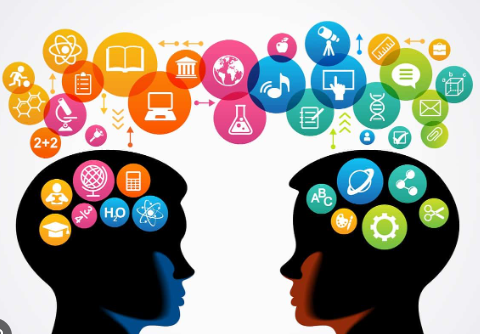
How Learning Happens
Learning is a fascinating journey that involves many parts of the brain working together. Here's a simple explanation of how your young person learns and what you can do to support their learning proces
Memory: The Foundation of Learning
Types of Memory:
- Short-Term Memory: This is like a temporary scratchpad where information is held for a brief time. It can hold about 4-7 items, such as a phone number or a short list.
- Long-Term Memory: This is where information is stored for a long time, from days to years. It includes facts, experiences, and skills.
How It Works:
- Encoding: When your young person learns something new, their brain changes the information into a format that can be stored. For example, when they see a new word, they encode it by linking it to how it sounds and looks.
- Storage: The brain keeps this encoded information in long-term memory. Think of it like filing documents in a giant filing cabinet.
- Retrieval: When your young person needs to remember something, their brain pulls the information out of storage. For example, recalling the spelling of a word during a test.
Thinking: The Process of Understanding
Cognitive Processes:
- Attention: Focusing on what's important. Your young person needs to pay attention to the lesson to learn effectively.
- Understanding: Making sense of the information. This happens when your young person connects new knowledge to what they already know.
Application: Using what they've learned in different situations, like applying math skills to solve a real-world problem.